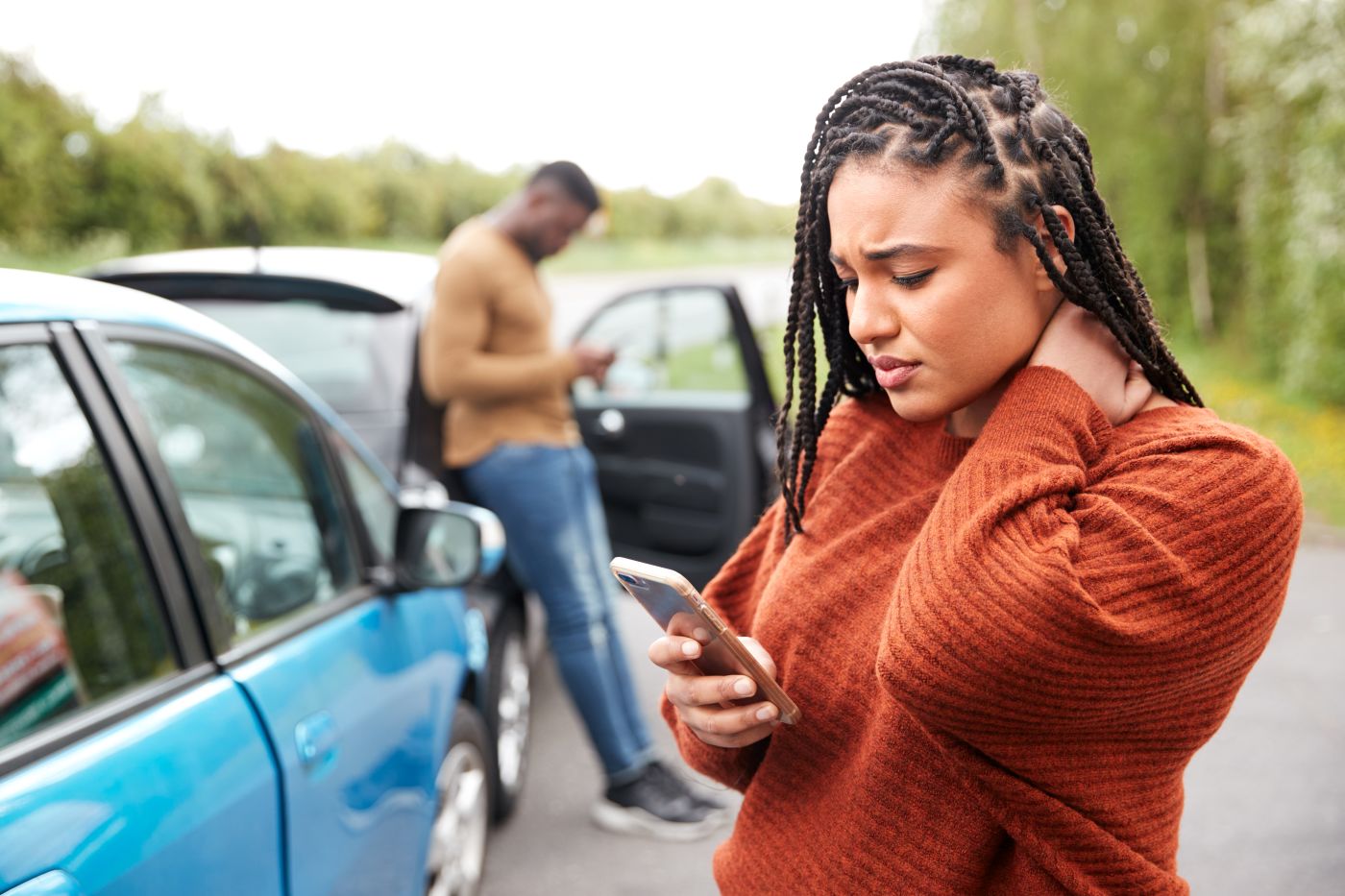
How Is Fault Determined in Head-On Collision?
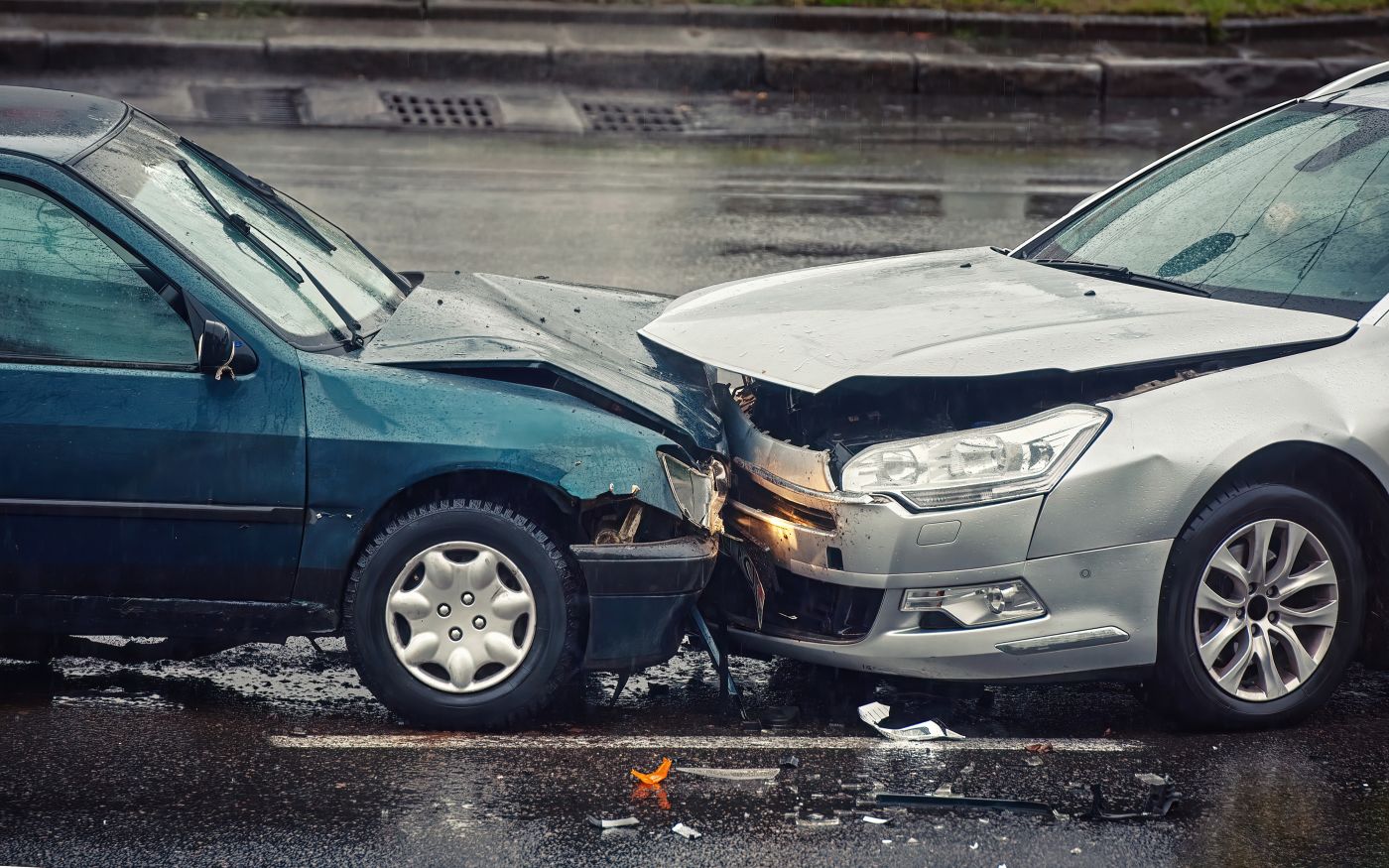
Head-on collisions are among the most devastating types of motor vehicle accidents. In these cases, fault is determined by identifying which driver crossed into the wrong lane or otherwise failed to use reasonable care. Determining fault requires extensive evidence, including police reports, physical evidence from the accident scene, vehicle damage, witness statements, digital evidence, and any signs of impairment or distraction.
Because head-on collisions often cause severe injuries, it’s essential to determine fault quickly and accurately, and it usually comes down to proving who violated a traffic law or acted negligently in the moments before impact.
At The Lester Law Firm in Jacksonville, Florida, I am experienced in helping injured drivers file personal injury claims and establish fault to pursue fair compensation for their recovery. Contact my firm today to schedule a free consultation.
A head-on collision happens when the front ends of two vehicles strike each other while traveling in opposite directions. These crashes often occur at high combined speeds, so the impact force is typically catastrophic. Head-on collisions often result in serious injuries, such as traumatic brain injuries, spinal cord damage, broken bones, internal injuries, and in some cases, fatalities.
Due to the severity of these injuries, insurance companies investigate these claims aggressively. Their primary goal is to protect their bottom line, so they may try to shift blame to you, argue that both drivers were partially at fault, or minimize your injuries. Establishing fault early can often counter these tactics and help you pursue the compensation you need in a personal injury claim.
In most head-on collision cases, fault is based on negligence. To prove negligence, you must show that the at-fault driver had a duty to operate their vehicle safely, breached that duty, caused the collision, and that the collision directly caused your injuries.
Every driver on Florida roads has a duty to follow traffic laws and drive with reasonable care. A head-on collision often points to a clear breach of that duty. For example, a driver may have drifted across the center line, driven the wrong way on a one-way road, attempted an unsafe pass, or fallen asleep at the wheel. By connecting that conduct to the collision and your resulting injuries, you can more easily establish fault.
To establish fault, you and your experienced attorney will need to examine what caused the collision. Some of the most common causes include the following:
Distracted driving: Texting, using apps, eating, or looking away from the road
Drunk or drug-impaired driving: Reduced judgment, slower reaction time, and lane departure
Fatigued driving: Falling asleep or drifting into oncoming traffic
Unsafe passing: Trying to pass on a two-lane road without enough space
Wrong-way driving: Entering a highway ramp incorrectly or traveling the wrong direction
Speeding: Making it harder to control the vehicle or avoid impact
Medical emergencies: Sudden incapacitation behind the wheel
If you can identify one or more of these causes, you can often link the driver’s behavior to the accident. Florida also follows a modified comparative negligence rule. That means you may recover damages if you are 50% or less at fault.
If you are found partially responsible, your compensation will be reduced by your percentage of fault. However, if you are 51% or more at fault, you will be unable to recover any compensation.
Fault in a head-on collision is rarely decided by one fact alone. I look at the full picture and gather as much evidence as possible. Important evidence often includes:
Police reports: The official accident report may include the officer’s observations, measurements, statements from drivers and witnesses, and any citations issued. A police report does not automatically determine liability, but it can be a strong starting point.
Physical evidence at the accident scene: Skid marks, gouge marks, debris fields, and the final resting positions of the vehicles can show where the impact happened. In a head-on collision, the point of impact often reveals which vehicle crossed the center line.
Vehicle damage: The location and severity of the damage can help accident reconstruction experts determine the angle of impact and the path each vehicle traveled before the crash.
Witness statements: Independent witnesses can be very persuasive. If someone saw the at-fault driver swerve, speed, or drive in the wrong lane, that testimony can strongly support a fault finding.
Camera and electronic evidence: Traffic cameras, dashcams, surveillance footage from nearby businesses, and black box data from the vehicles may highlight the speed, braking, steering, and driver behavior immediately before the crash.
Cell phone records: If distracted driving is the suspected cause, phone records may show whether a driver was texting or using a device at the time of the accident.
Not every head-on collision is straightforward. Sometimes both drivers claim the other crossed the line. In other cases, weather, road design, poor signage, or a vehicle defect may have contributed to the crash. If fault is disputed, an experienced Florida motor vehicle accident attorney can work with accident reconstruction experts to analyze the evidence and explain exactly how the collision occurred.
In some cases, a third party may also share liability. For example, if a drunk driver was overserved at a bar or a road hazard created a dangerous condition, you may be able to file a claim against other at-fault parties. However, you and your attorney will need to thoroughly investigate every potentially liable party to determine whether a suitable claim exists.
Determining fault in a head-on collision requires careful investigation, strong evidence, and a clear understanding of Florida negligence law. Injuries resulting from these accidents can significantly impact your life, and insurance companies will fight aggressively when faced with a serious injury claim.
At The Lester Law Firm, I am committed to helping injury victims pursue the compensation they need after a serious accident. If you or a loved one has been injured in a head-on collision, contact me, Attorney Makisha Lester, Esq., for tailored guidance and representation. Located in Jacksonville, Florida, I serve clients throughout Duval County, Clay County, St. Johns County, Nassau County, and the surrounding Northeast Florida communities. Contact me now to schedule a free consultation.